Textiles
Studio Natural
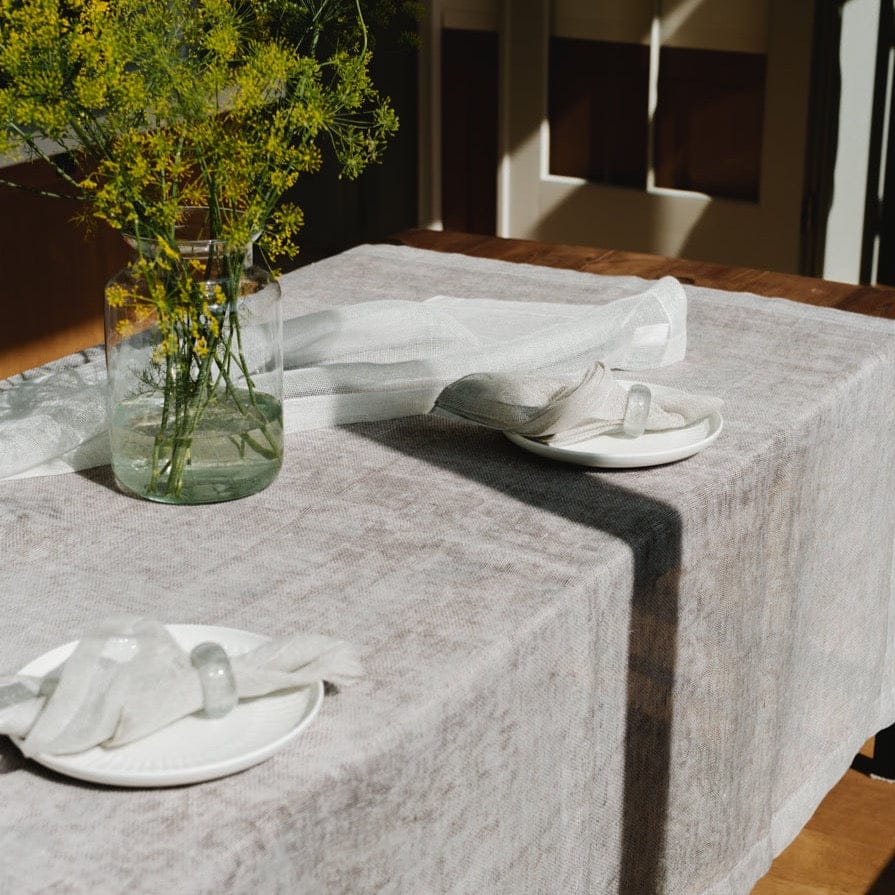
Double layer linen tablecloth 180x180 cm
€ 350.00
VAIDAVA CERAMICS · Vaidava, Latvia
€ 72.00
EUR incl. VAT; delivery is shown at checkout.
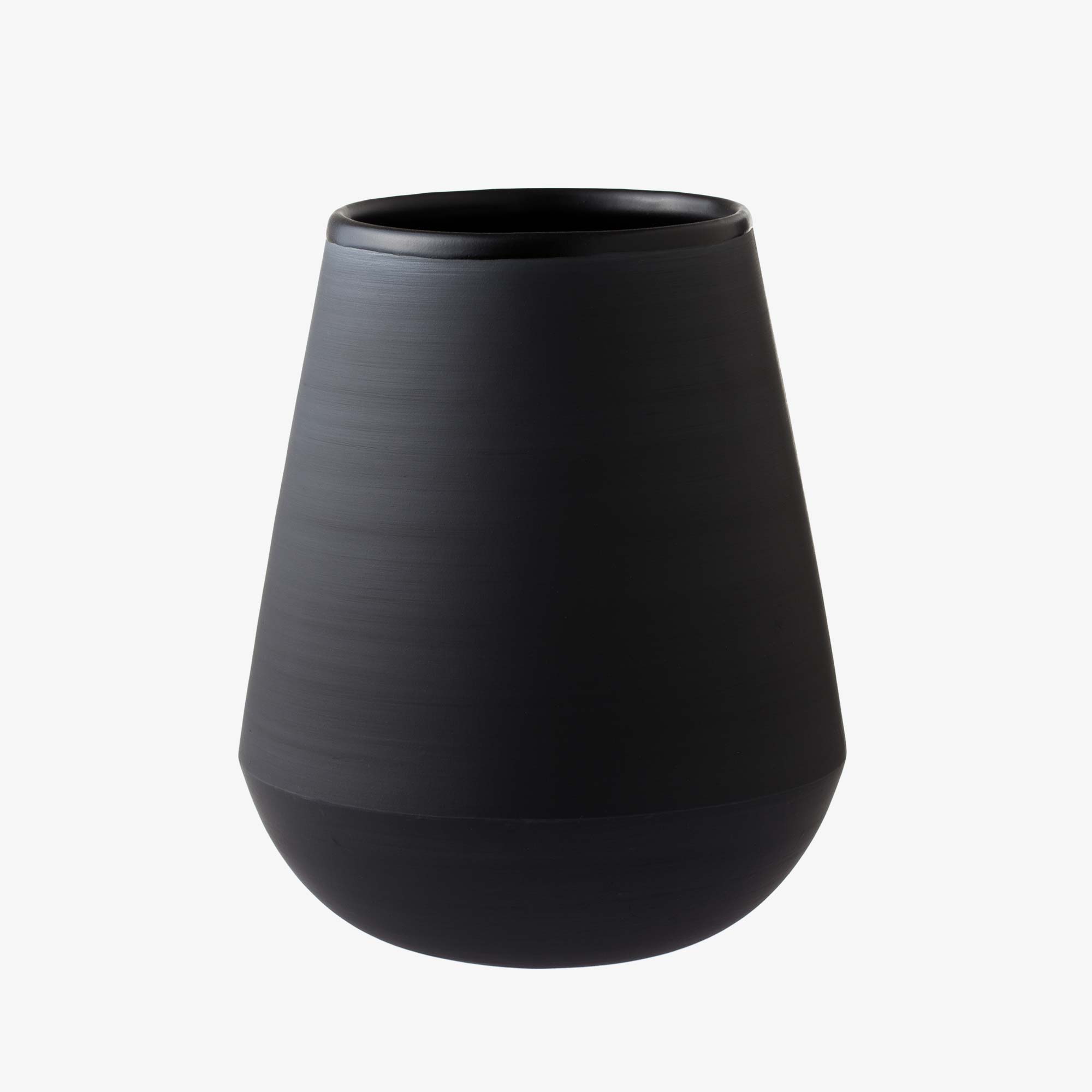
A stunning piece of home decor that seamlessly blends modern minimalism with classic elegance – a beautiful vase for showcasing your flowers. Designed by Laima Grigone. This collection harmoniously fuses the ancient technique of Terra Sigillata and clean, balanced, minimalist design with Nordic nature's rugged yet delicate beauty for a timeless and contemporary aesthetic. Our tableware is crafted from natural red clay and is handmade using traditional methods and materials. Each piece is glazed and tempered at 1000°C. Hand wash with soft sponge and mild soap recommended.
A stunning piece of home decor that seamlessly blends modern minimalism with classic elegance – a beautiful vase for showcasing your flowers. Designed by Laima Grigone. This collection harmoniously fuses the ancient technique of Terra Sigillata and clean, balanced, minimalist design with Nordic nature's rugged yet delicate beauty for a timeless and contemporary aesthetic. Our tableware is crafted from natural red clay and is handmade using traditional methods and materials. Each piece is glazed and tempered at 1000°C. Hand wash with soft sponge and mild soap recommended.
Safe use
Use only for the described purpose. Follow care and warning information and stop using the product if damaged.
Product safety and traceability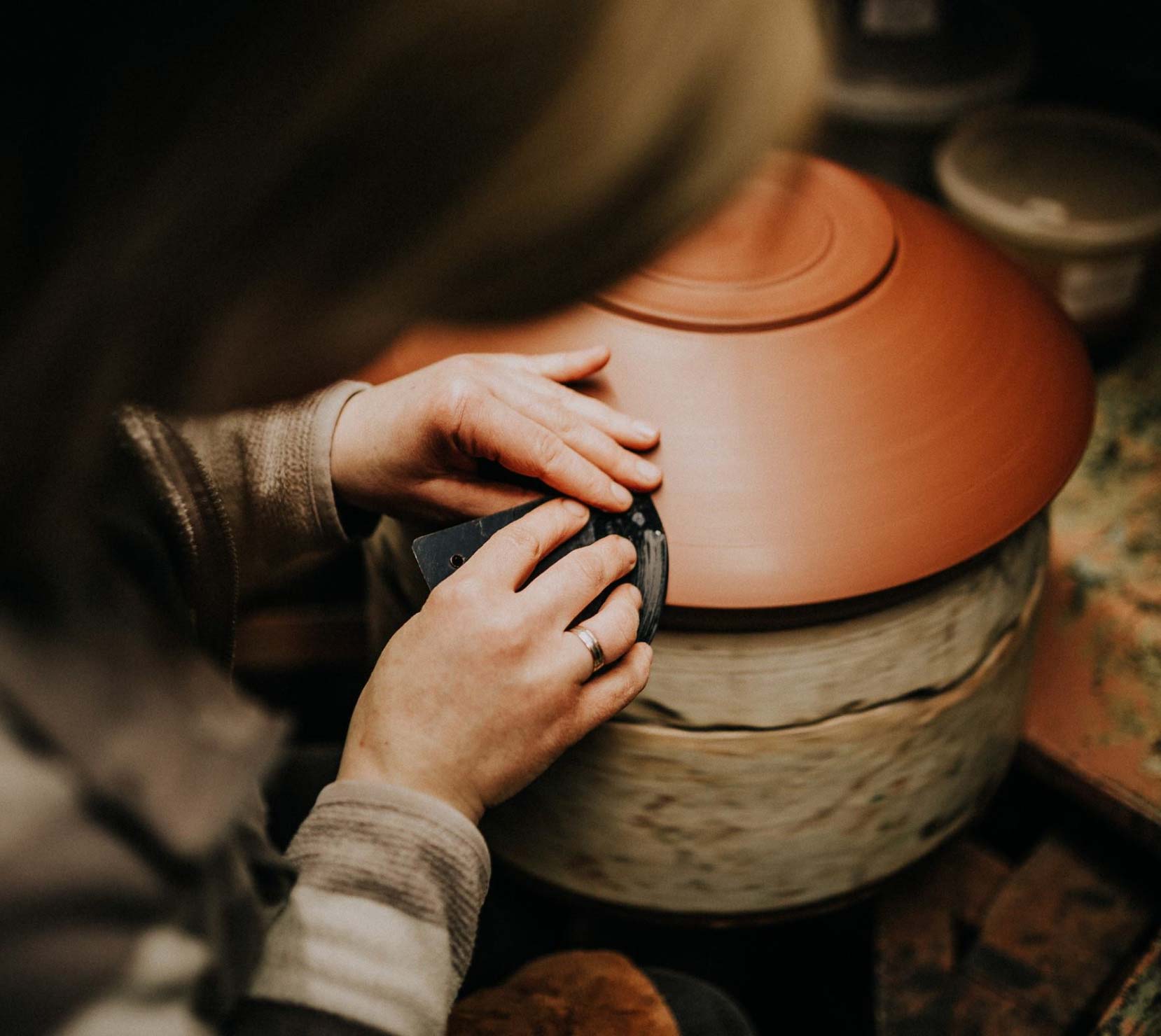
Meet the artisan
Vaidava, Latvia
VAIDAVA CERAMICS has made tableware in the Latvian village of Vaidava, beside Gauja National Park, since 1980. The workshop brings Northern European restraint together with a long local ceramic tradition, making objects intended for both everyday meals and celebrations. Many of its craftspeople have worked there for decades, and every piece remains within one workshop from raw clay to final inspection. Clay is mixed and prepared in-house, shaped in plaster moulds or by jiggering, then refined by hand on the potter's wheel. Makers trim edges, smooth surfaces, dry the forms, fire them at about 1000°C, polish the exterior, and glaze and seal the surfaces required for use. Subtle differences in curve, texture, and glaze are kept as evidence of handwork. The purpose is practical as much as aesthetic: durable tableware that brings material warmth and a slower rhythm to daily rituals.
View profileYou may also like