Zu Besuch bei den Korbflechtern von Pinumu Pasaule
In der Flechtwerkstatt der Familie Tutāns wird aus Weide von Hand ein Korb, ein Tablett, eine Lampe – und vieles mehr.
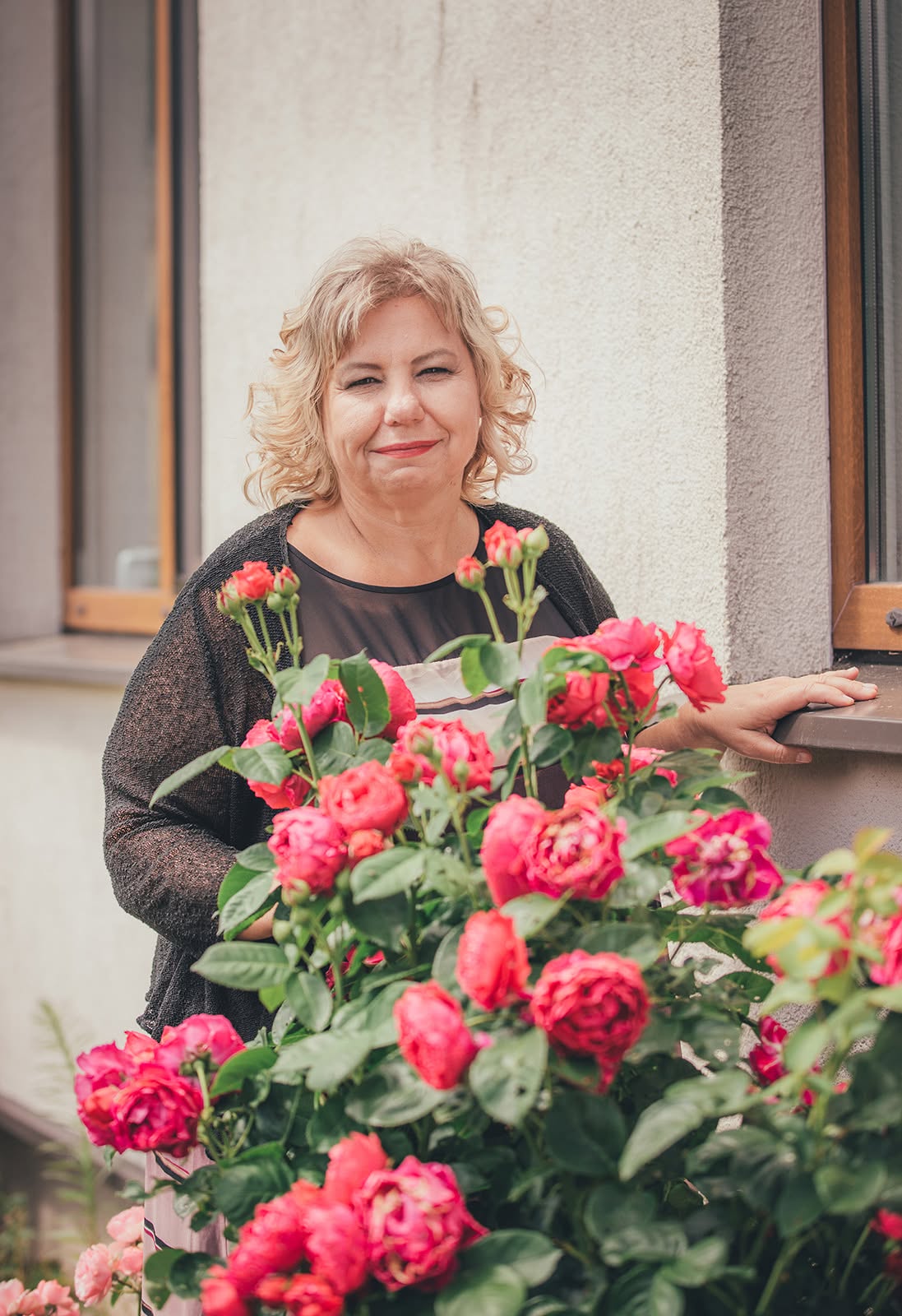
Pinumu Pasaule heißt ungefähr „Welt des Flechtens“ – und der Name passt. Die Werkstatt gehört der Familie Tutāns. 1985 fing alles als gemeinsames Hobby an, 1999 wurde daraus ein Betrieb. Erst waren es kleine Körbe und Tabletts, heute ist es eine ganze Sprache aus Weide: Einkaufskörbe, Pilzkörbe, Tabletts, Lampen, Wiegen, Möbel und Einzelanfertigungen.
Das Schöne daran ist nicht nur die Vielfalt, sondern wie nah die Familie am Material ist. Sie flicht mit geschälter und ungeschälter Weide aus eigenem Anbau – einem sauberen, natürlichen Material, das mit viel Geduld vorbereitet wird, lange bevor daraus etwas entsteht.
Weide lebt
Mit Weide muss man zusammenarbeiten. Sie biegt sich, aber nicht unendlich. Feuchtigkeit, Jahreszeit, Dicke der Rute und die Hand, die sie führt – all das spielt mit. Wer flicht, muss die Rute verstehen, bevor er ihr eine Form gibt. Zu viel Druck, und sie bricht. Zu wenig, und das Stück verliert seinen Halt.
Genau diese Spannung macht die Stücke so besonders. Ein Korb ist praktisch, aber nie beliebig. Der Schwung des Henkels, wie dicht geflochten ist, die kleinen Farbunterschiede zwischen geschälter und ungeschälter Weide: Darin steckt jede Entscheidung, die eine Hand getroffen hat.
Ein Familienhandwerk, das weit gereist ist
Flechtmeister Pēteris Tutāns hat das Handwerk schon als Kind gelernt. Seine Arbeiten waren inzwischen auch in Frankreich, China, den USA und Japan zu sehen. Und doch ist die Werkstatt bei dem geblieben, was zählt: die Weide vorbereiten, die Form wählen, aufmerksam flechten und jedes Stück so fertig machen, dass man es benutzen kann.
Dieses Handwerk hat etwas Großzügiges. Es will nicht hinter Glas stehen. Es gehört in den Flur, in die Küche, in den Garten und auf den Markt. Es trägt Brot, Pilze, Blumen, Wäsche, Feuerholz, Decken, Spielzeug, Werkzeug – all die alltäglichen Dinge, die ein Zuhause in Bewegung halten.
Warum Weide zum baltischen Wohnen gehört
Im baltischen Zuhause hat Weide ihren festen Platz, weil sie Nutzen und Landschaft verbindet. Sie wächst am Wasser und am Feldrand, ist bescheiden, wächst nach und kann erstaunlich ausdrucksstark sein. In den richtigen Händen wird sie stabil, ohne schwer zu wirken.
Deshalb passt Pinumu Pasaule so gut zu Delmara. Diese Stücke sind keine Trendobjekte. Sie sind nützlich, verwurzelt und voller Wissen aus Menschenhand. Und sie erinnern uns daran, dass ein Zuhause mehr sein kann als schön eingerichtet: verbunden mit den Händen und Landschaften, aus denen die Dinge kommen, die wir jeden Tag benutzen.